

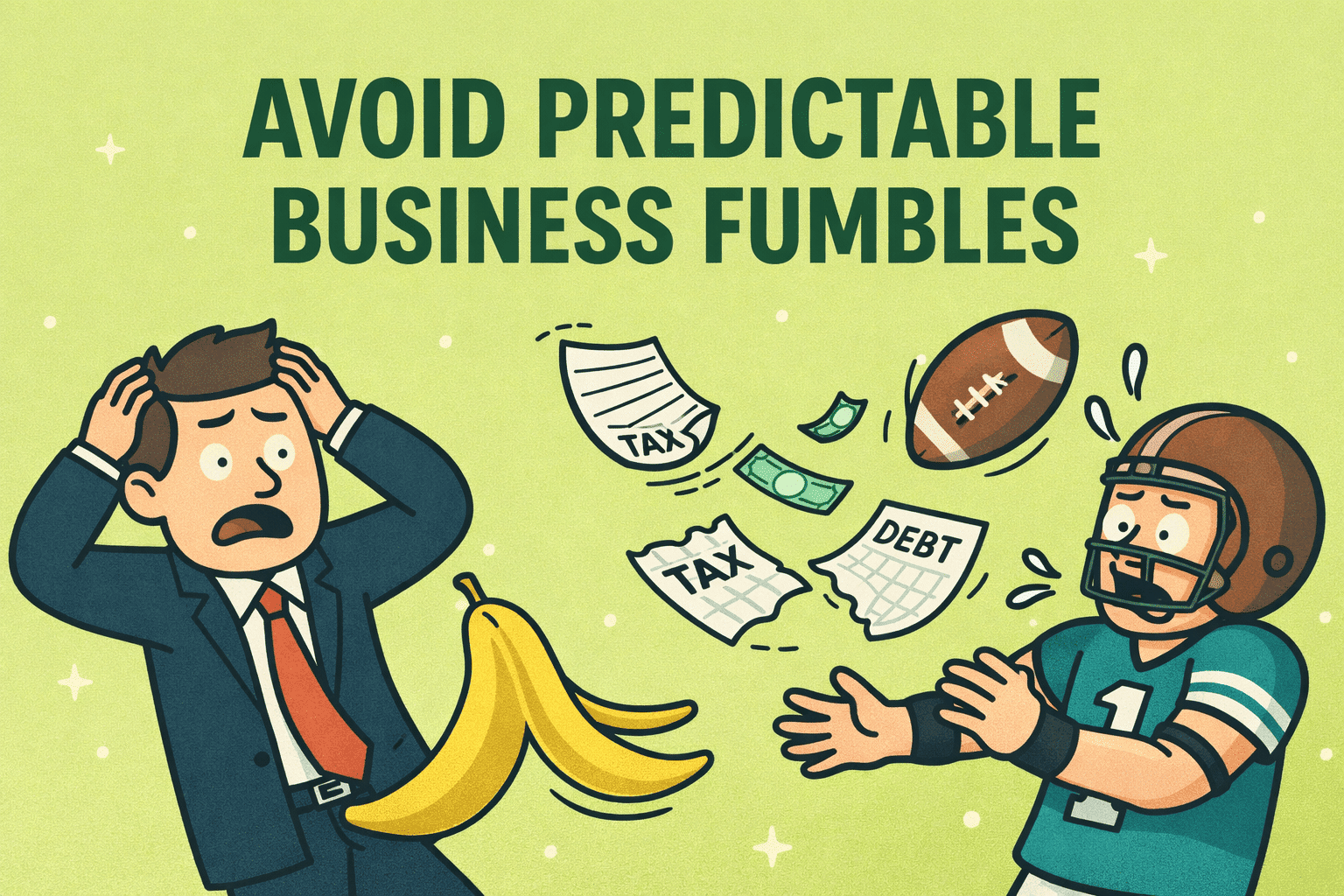
When communication quietly sets your reputation on fire 🔥
Let’s get this out of the way first: The biggest business mistakes rarely start with bad decisions. They start with bad explanations.
The recent Discovery Health backlash — analysed in a Moneyweb opinion piece — wasn’t really about numbers, pricing models, or actuarial logic.
It was about how the message landed.
And it landed… badly.
If your business wants to Avoid Predictable Business Fumbles, this is a lesson worth stealing.
⚠️ The uncomfortable truth
Customers don’t experience decisions. They experience communication.
When messaging feels:
-
Late
-
Cold
-
Overly technical
-
Defensive
People stop listening to logic and start questioning motives.
That’s when reputational damage begins.
Quietly.
Quickly.
Publicly.
❓ What communication mistakes were made?
Let’s simplify what went wrong.
🚫 Mistake #1: Talking like a spreadsheet
The explanations may have been correct — but they didn’t sound human.
Customers don’t want actuarial theory. They want clarity.
🚫 Mistake #2: Assuming goodwill
The messaging assumed people would understand.
Understanding isn’t assumed. It’s earned.
🚫 Mistake #3: Reacting instead of leading
By the time explanations arrived, frustration had already spread.
And silence doesn’t create patience — it creates speculation.
If you don’t explain your decision, someone else will.
🧯 What would a better error-handling plan look like?
Good crisis communication follows a simple rule:
People first. Numbers second.
A stronger plan would include:
✅ Early communication (before inboxes and WhatsApp groups explode)
✅ Plain language — no corporate gymnastics
✅ Acknowledgement of frustration
✅ One clear, consistent message everywhere
Think of it like turbulence on a flight ✈️ People don’t panic because the plane shakes.
They panic when the pilot says nothing.
🛡️ How can good communication protect your business’ reputation?
Reputation isn’t built when things go well.
It’s revealed when things don’t.
Clear communication:
-
Buys you time
-
Preserves trust
-
Reduces emotional fallout
-
Keeps customers on your side — even when they disagree
Businesses that Avoid Predictable Business Fumbles understand this:
You don’t need customers to like the decision.
You need them to trust the intention.
🧠 Why this matters for SMEs too
This isn’t just a “big corporate” problem. It’s a lesson many accounting firms pretoria east learn early: clients remember how you made them feel long after they forget the detail.
Small and medium businesses face it every day:
-
Price increases
-
Billing errors
-
Delays
-
Policy changes
-
System issues
We see it constantly:
Businesses don’t lose clients because of mistakes.
They lose them because of how those mistakes are explained.
The painful part? Most reputational damage is 100% avoidable.
🧩 Final takeaway
Mistakes are human.
Poor communication is optional.
If your message needs:
-
Three disclaimers
-
Two footnotes
-
And a PR team to decode it
…it’s already working against you.
There is no better time to get the right partners on your side. So give the Go2 Accountants a call to stay calm, and sleep better 😄







Leave A Comment