
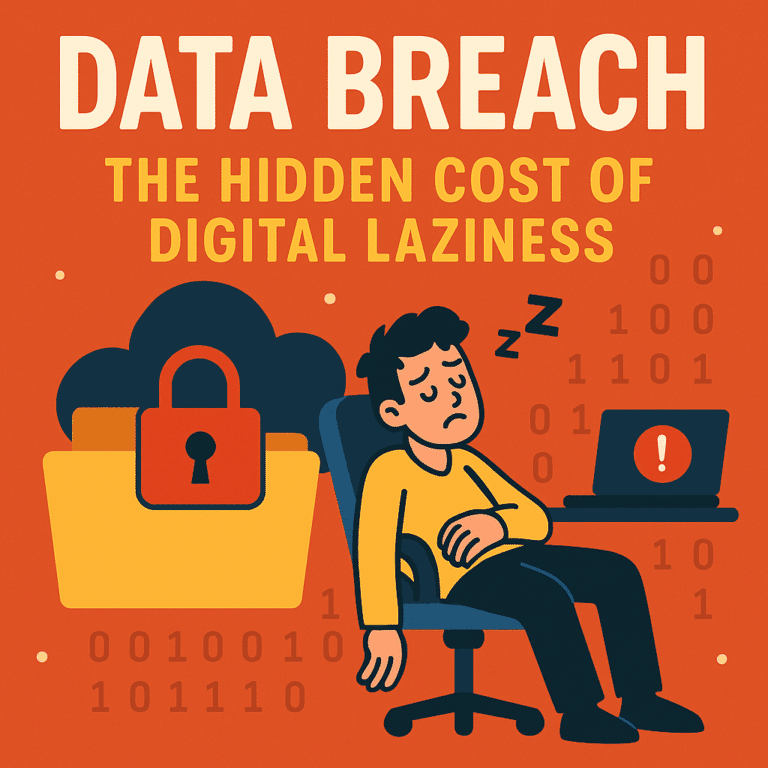
If you’ve ever felt that instant panic after sending an email to the wrong person, imagine that—but multiplied by a thousand. That’s the emotional energy of a data breach, and it’s the kind of drama no business wants to experience. Luckily, avoiding chaos is a lot easier when you know what really puts your data at risk.
🧩 What Is a Data Breach?
A data breach happens when confidential information lands in the wrong hands—through hacking, staff mistakes, weak passwords, stolen devices, or the classic “I definitely thought that email was from IT” moment.
Think of it as leaving your front door open, and then acting surprised when strangers help themselves to your snacks. Except in this digital scenario, the “snacks” are client data, business secrets, and personal information.
⚠️ What Are 5 Consequences of a Data Breach?
A breach isn’t just a technical inconvenience—it’s a full-on business emergency. Here’s what can go wrong:
1️⃣ Financial Losses
Audits. Fines. Legal fees. Emergency system rebuilds. Suddenly, cybersecurity feels cheap.
2️⃣ Reputation Damage
Customers tend to remember the business that leaked their ID number… forever.
3️⃣ Operational Shutdowns
Systems crash, access gets revoked, staff sit idle, and deadlines are missed.
(And no, “unplanned digital holiday” does not improve morale.)
4️⃣ Loss of Competitive Edge
If your trade secrets leak, your competitors may know your next move before you do.
5️⃣ Client & Employee Risk
Identity theft, fraud, spam, phishing—you name it. Once leaked, data is out there permanently.
🏚️ What Impact Could a Breach Have on a Business’ Reputation and Operations?
A breach can make a business look careless, untrustworthy, or inexperienced. And in today’s world, trust is currency.
Operationally, things can grind to a painful halt:
-
Systems may be offline
-
Services may be delayed
-
Investigations may follow
-
Recovery may take weeks
-
Customers may move to competitors
Rebuilding trust takes time. Rebuilding systems? Even longer.
🔐 What Are Five Ways to Keep Data Safe?
Staying secure doesn’t require a PhD in coding. Start with these simple, powerful habits:
🔑 1. Use Strong Passwords
No pet names, birthdays, or “Qwerty123”. Please.
📲 2. Turn On Multi-Factor Authentication
That one extra step protects you from 99% of password-based hacks.
🛡️ 3. Encrypt Everything
Laptops, backups, portable drives—you name it.
👥 4. Train Your Team
People are your strongest defence… or your biggest vulnerability.
🛠️ 5. Update Software Regularly
Yes, those updates matter. No, “Remind me tomorrow” is not a strategy.
🌟 Final Thoughts
A data breach isn’t just an IT headache—it’s a full-blown business crisis with legal, financial, and reputational consequences. But with smart habits and a little vigilance, you can keep your data (and your sanity) intact.
Business is tough, so stop fooling around and get the best on your side, contact the Go2 Accountants for the right advise to suit your requirements.
